Recently, I submitted one of my songs to a Reddit group. I had noticed that many people were sharing their music releases there, so I shared mine too.
The response was not what I expected. Someone replied with what felt like a lecture about the rules, and included two other songs.
Maybe I had misunderstood the group. Maybe I had missed a rule. That part is on me, and the first lesson is simple: read the community rules carefully before posting. I can smile at that lesson now.
But the reply still left me with a question. If the concern was that I had posted a song where songs did not belong, how did posting two more songs solve the problem?
I wondered whether the reaction was less about enforcing a rule and more about opportunity: “If he can post his song here, I can post mine too.” I cannot know the person’s motive, and I do not want to turn one Reddit exchange into a trial. The interesting part is not the person. It is what the moment revealed about where we are now.
“AI Music” Has Become Too Broad a Label
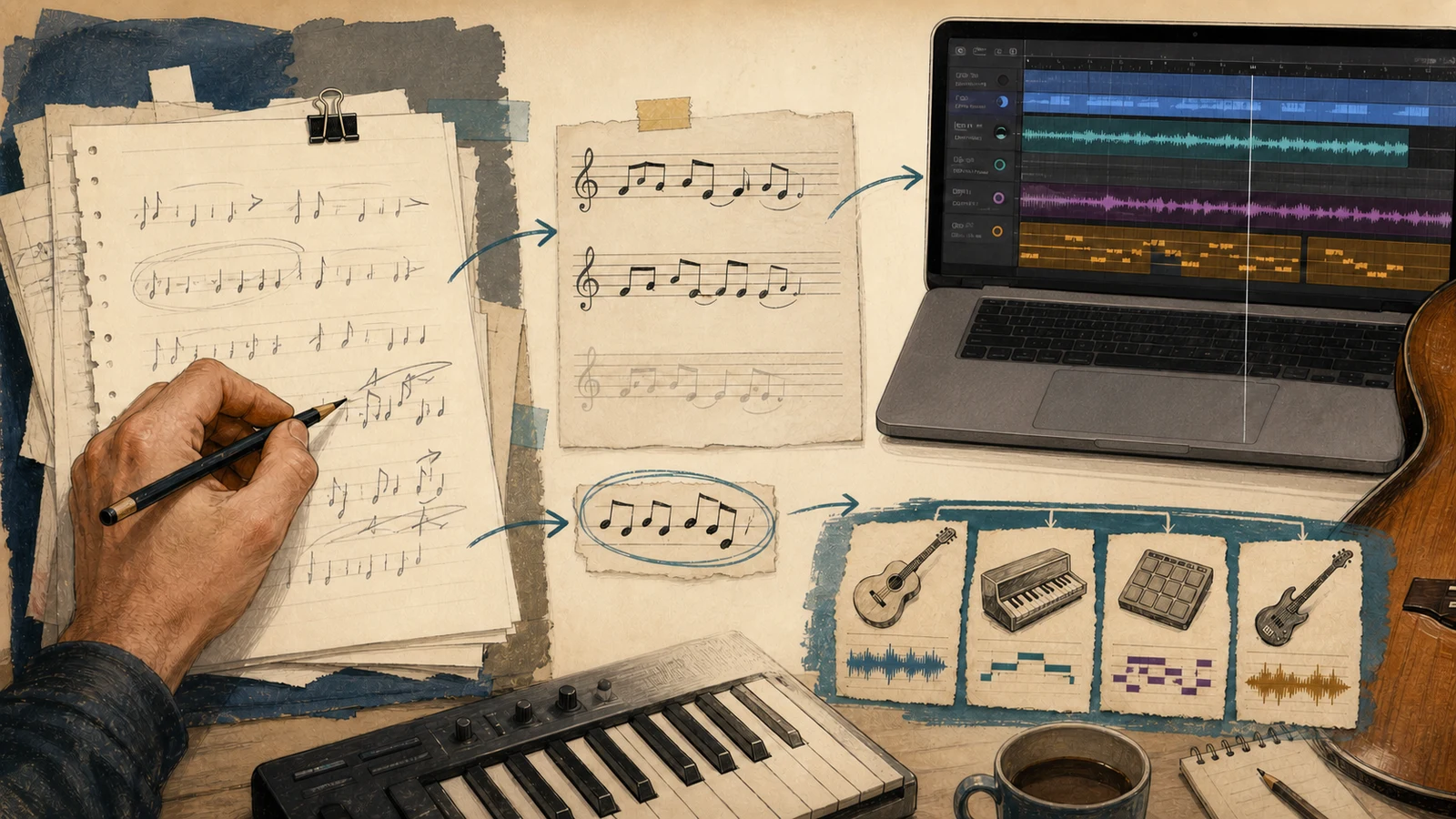
My song did use AI, but not to write the song for me. I wrote the lyrics. I shaped the ideas, structure, and creative direction. I use AI for accompaniment as one part of a larger, human-directed process. I also edit, make choices, and continue working with the material rather than accepting the first result as a finished song.
I have written before about why I never let AI write my songs and about the importance of a signature melody in an AI-assisted song. Those distinctions matter to me because the creative process matters.
Yet the label “AI music” can erase all of that. It can describe someone who writes lyrics, supplies musical ideas, directs the arrangement, edits the results, and uses AI for accompaniment. It can also describe someone who enters a short instruction, accepts an entire song, and posts it without much additional creative work.
Those are not the same process.
The Slot-Machine Problem
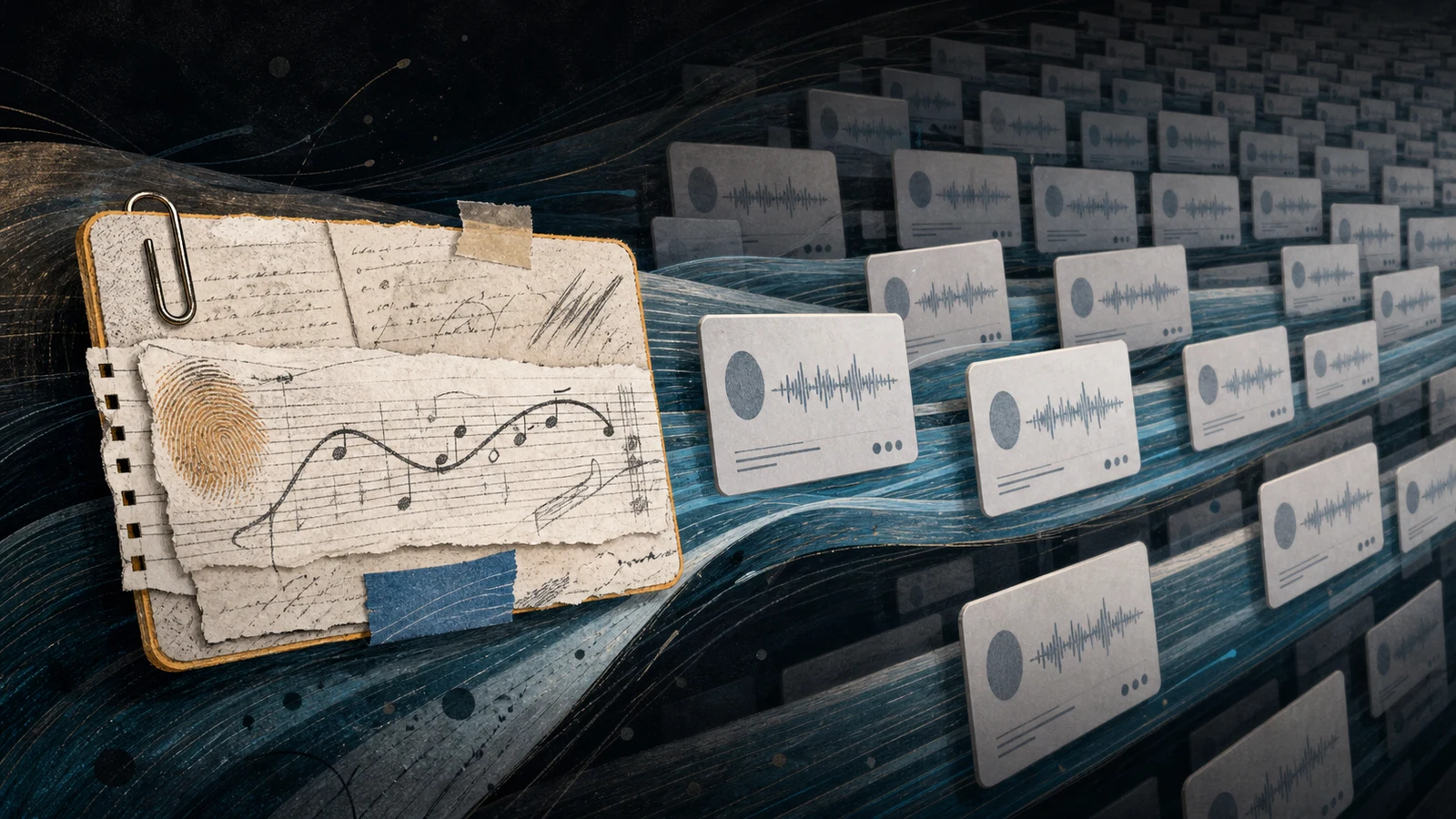
I sometimes call the second approach “slot AI.” Pull the lever, receive a song, pull it again, receive another. The phrase is intentionally blunt, but it identifies a real problem: output can be mistaken for authorship.
A finished audio file does not tell us how it was made. Two songs may both involve AI while representing very different amounts of human expression, musical decision-making, editing, and intent.
This is why the useful question is not simply, “Did you use AI?” That question is too small for the reality of modern creative work.
Better questions are:
- What did the person create?
- What did the person direct?
- Which musical and expressive decisions remained human?
- Was the result shaped through judgment and revision?
- Was AI a tool in the process, or was the system treated as the creator?
These questions do not produce a simple badge that says “real” or “not real.” They do something better: they help us understand the work.
Rules Still Matter
There is another lesson here, and it has nothing to do with AI. Online communities need rules. A group can decide what belongs, what does not, and how members should share their work. Seeing other people post something does not guarantee that I have understood the rule correctly.
So yes, I should read first and post second.
At the same time, rules work best when they are explained consistently. If one music post is a problem, adding two more music posts creates confusion rather than clarity. It can make enforcement look like competition.
That small contradiction stayed with me because it mirrors the larger conversation. We are trying to apply old categories to creative processes that have become more complicated. Sometimes we react to a label before we understand what actually happened.
Where We Are Now
I do not want to dwell on a Reddit reply. I am more interested in what it taught me.
We need better language for AI-assisted creativity. We need room to distinguish assistance from substitution, direction from automation, and human expression from system-rendered output. Without those distinctions, “AI music” means everything, and therefore tells us almost nothing.
For my own work, I will keep explaining the process. I will keep writing my lyrics, shaping my musical ideas, directing the accompaniment, editing the results, and making the decisions that turn material into a song. I will also keep learning where and how to share it.
And next time, I will read the rules more carefully.